
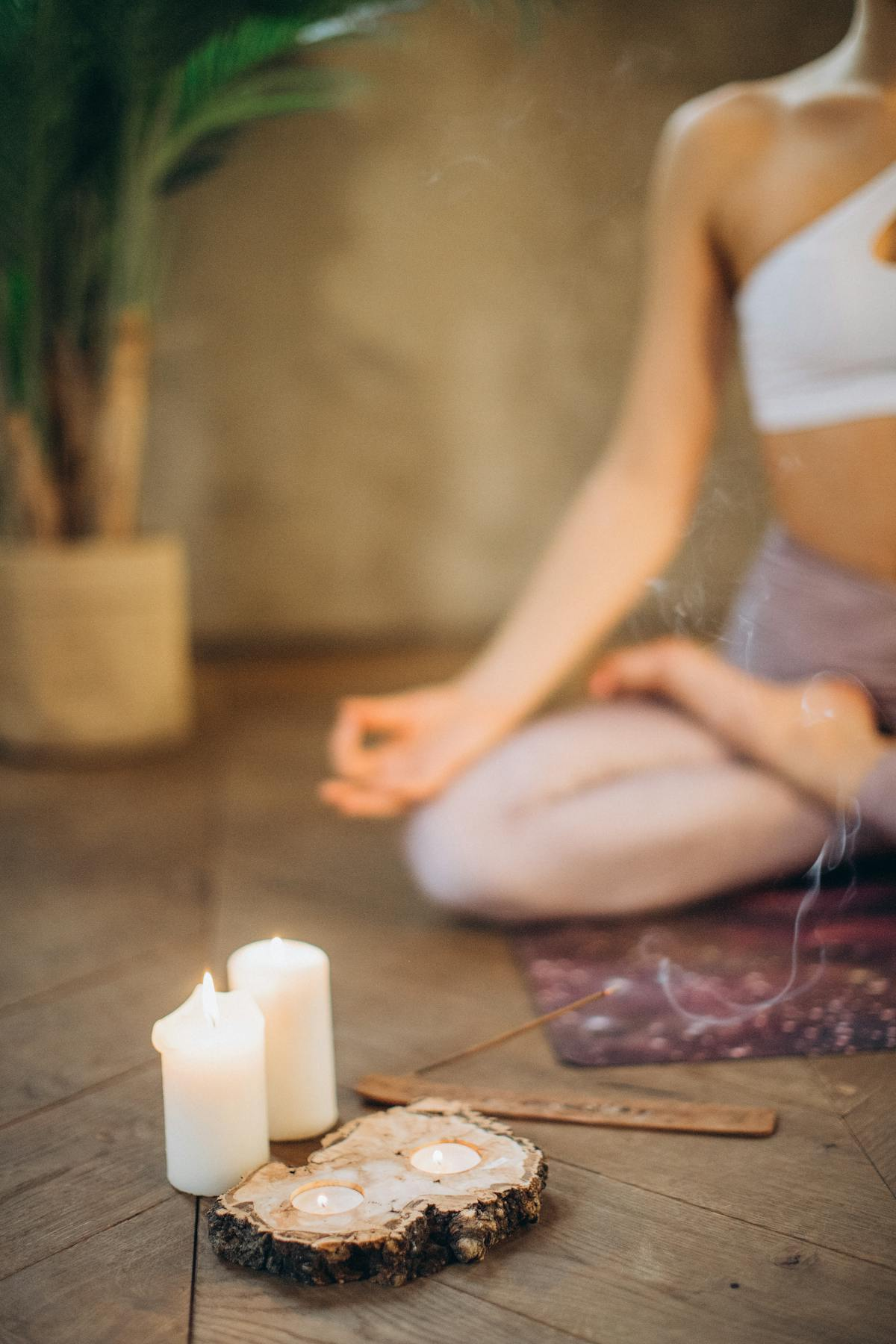
Building a daily meditation habit that actually sticks is one of the most rewarding things you can do for your mental and physical wellbeing. Yet for many Australians, the intention is there but the follow-through isn’t — sessions get skipped, routines fall apart, and the benefits feel just out of reach. The good news? It doesn’t have to be that way. With the right approach, anyone can make meditation a consistent, enjoyable part of their daily life.
Why Most Meditation Habits Fail
Most people give up on daily meditation not because they lack willpower, but because they start with unrealistic expectations. They try to sit for 20–30 minutes straight from day one, get frustrated when their mind wanders, and conclude that meditation simply “isn’t for them.” In reality, the biggest barrier to building a daily meditation habit is starting too big, too fast.
Research consistently shows that small, sustainable actions done regularly outperform ambitious one-off efforts. A five-minute session you actually do every day is infinitely more valuable than a 30-minute session you attempt once a week.
Start Smaller Than You Think You Should
When you’re first establishing a daily meditation habit, aim for just two to five minutes per session. Set a timer, sit comfortably, and focus on your breath. If your mind wanders — and it will — simply notice that it has wandered and gently return your attention to the breath. That noticing and returning is the practice.
As the habit becomes more natural, you can gradually extend your sessions. Many experienced meditators suggest adding just one or two minutes per week until you reach a duration that feels sustainable — for most people, that’s somewhere between 10 and 20 minutes per day.
Anchor Your Practice to an Existing Habit
One of the most effective strategies for building any new habit is to attach it to something you already do automatically — known as habit stacking. For daily meditation, consider pairing your session with your morning coffee, your lunch break, or the few minutes before bed. The key is consistency of timing. Meditating at the same time each day strengthens the neural pathways associated with the habit, making it progressively easier to maintain.
Choose the Right Style for You
There’s no single correct way to meditate, and experimenting with different styles is a perfectly valid part of the process. Some people thrive with silent breath-focused meditation; others prefer guided meditation, where a teacher or recording leads the session. Both are equally effective — it simply comes down to personal preference.
If you’re not sure where to begin, guided sessions are often the easiest entry point. A calm voice giving gentle instructions removes the guesswork and keeps your attention anchored. Our guided meditation resources are a great place to explore different styles until you find what resonates.
Consider a Dedicated App
For many people, using a meditation app makes all the difference. Apps provide structure, reminders, progress tracking, and a library of sessions — all of which support consistency. Check out our in-depth reviews of the best meditation apps to find one that fits your lifestyle and budget.
Create a Dedicated Meditation Space
Your environment plays a bigger role in habit formation than most people realise. Having a designated spot for meditation — even just a particular cushion or chair in a quiet corner — creates a physical cue that triggers the behaviour. Over time, simply sitting in that spot begins to put you in a meditative mindset before you’ve even closed your eyes. You don’t need a special room or expensive equipment. A comfortable seat and minimal distractions are enough.
Use a Challenge to Build Momentum
Sometimes the best way to establish a habit is to commit to a structured challenge. A 30-day meditation challenge gives you a clear timeframe, daily accountability, and a sense of progression. By the end of 30 days, the habit is far more deeply ingrained than it would be from casual, inconsistent practice — and the sense of accomplishment at the finish line is genuinely motivating.
Be Kind to Yourself When You Miss a Day
Missing a day doesn’t mean your habit is broken — it’s a completely normal part of the process. The most important thing is to return to your practice as soon as possible, without self-criticism or guilt. Research on habit formation suggests that it’s the overall pattern over time, not perfect daily execution, that matters most. If you find you’re consistently missing sessions, examine whether the timing, duration, or style needs adjusting.
Ready to Begin?
Building a daily meditation habit that sticks is entirely achievable — you just need the right foundation. Start small, be consistent, choose a style you genuinely enjoy, and give yourself grace when life gets in the way.
Explore our beginner’s guide to find the best approach for your goals, browse our curated online meditation courses, or jump into a structured 30-day challenge to build momentum fast. Your daily practice starts today.